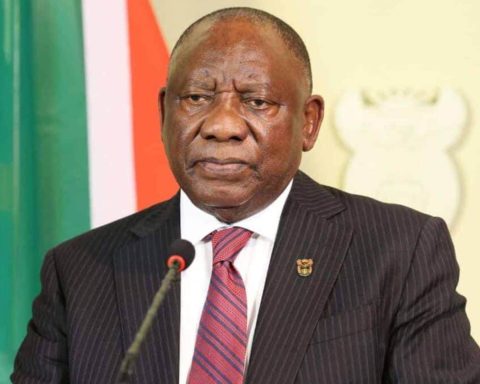
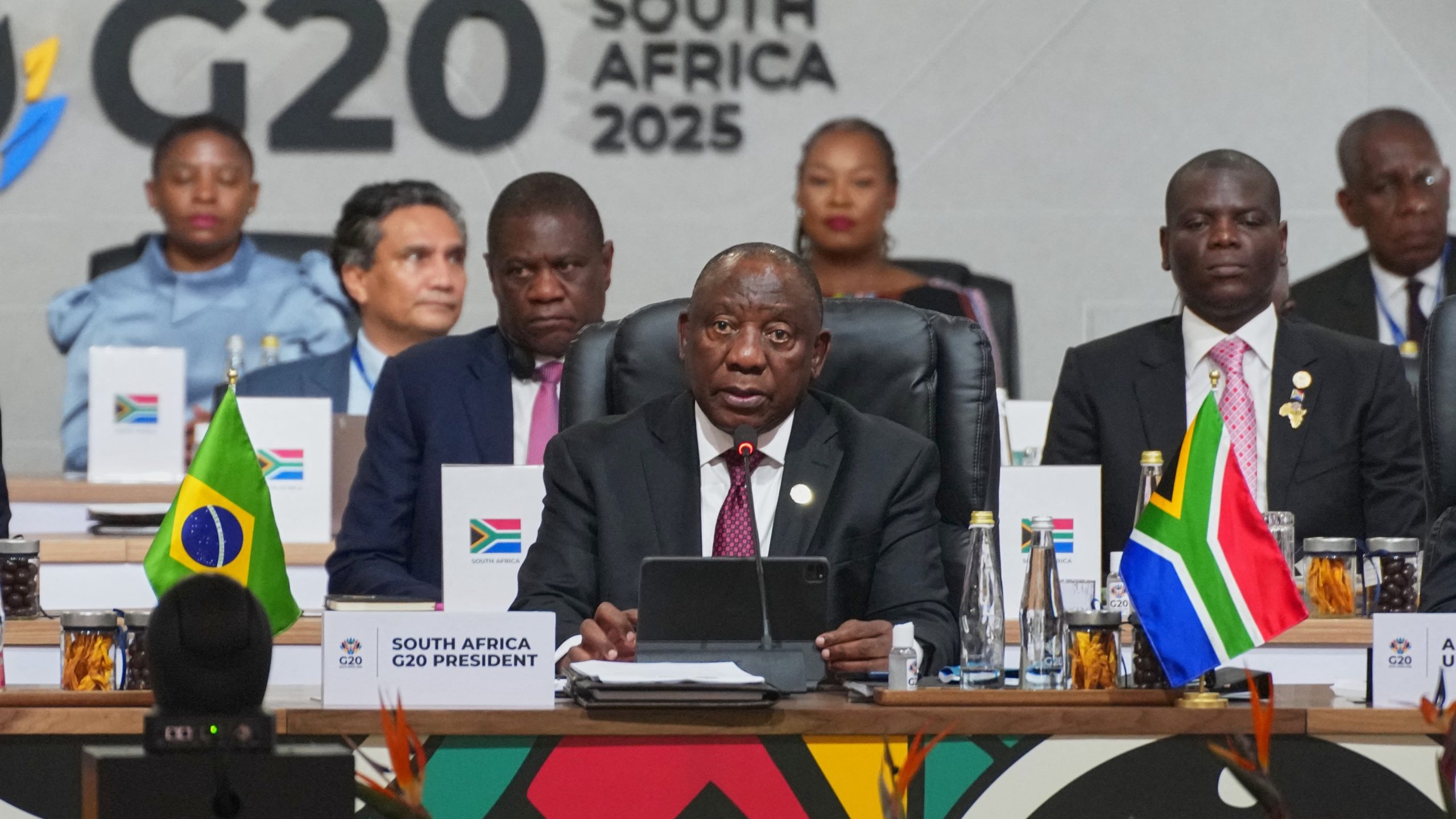
President Cyril Ramaphosa says South Africa now treats the GBV national disaster as an emergency that needs action, not just slogans. He backs the move to classify gender-based violence and femicide as a national disaster under the Disaster Management Act. As a result, this classification should speed up funding, tighten oversight and force the state to show results.
On 21 November the National Disaster Management Centre classified GBVF as a national disaster after a nationwide shutdown. In doing so, it gave the national executive clear responsibility to coordinate the response without declaring a full state of disaster. Instead, government must now use existing laws and emergency plans more effectively.
What the Disaster Status Unlocks
Ramaphosa says the GBV national disaster classification will allow faster emergency funding for survivor services. In practical terms, departments can expand shelters, safe spaces, psychosocial counselling and community prevention programmes. Meanwhile, all organs of state must file regular progress reports with the National Disaster Management Centre. In this way, the move should not become symbolic.
He says the classification also strengthens the mandates of Social Development, Justice, Health, Police and Basic Education. In addition, authorities plan to support the police and the National Prosecuting Authority. These supports will help them process GBV cases faster, improve evidence work and keep protection order services running 24 hours a day.
Men and Communities Pushed to Act
The President calls the GBV national disaster a test of national responsibility. Therefore he urges communities, faith leaders, unions, business and civil society not to look away but to report abuse. Additionally, he wants ongoing dialogues with men and boys about toxic masculinity, cultural norms and peer pressure that turn some into abusers.
Right now, more than a third of women over 18 have experienced physical or sexual violence, mostly from intimate partners. Ramaphosa says GBV is more corrosive than the Covid pandemic. It destroys families, harms the economy and passes trauma between generations. For him the GBV national disaster is a line in the sand. Consequently, the country must act together or accept more names on the roll of victims.